



PECAN TREE
(CARYA ILLINOINENSIS)


DESCRIPTION AND GROWING
Pecan in our latitude is an exotic tree because its homeland is North America.
Today, pecans successfully grow in North America, Central Asia, Europe, and Crimea, but frost-resistant types grow in Canada and some regions of Russia.
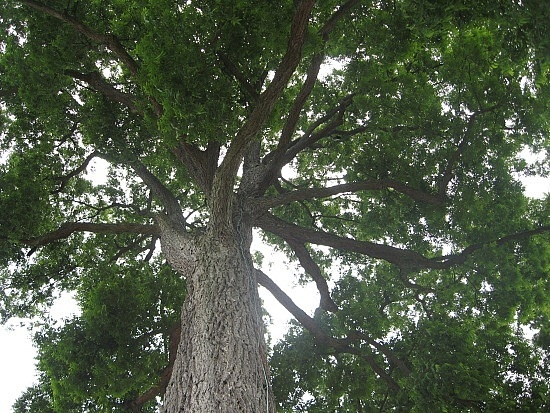
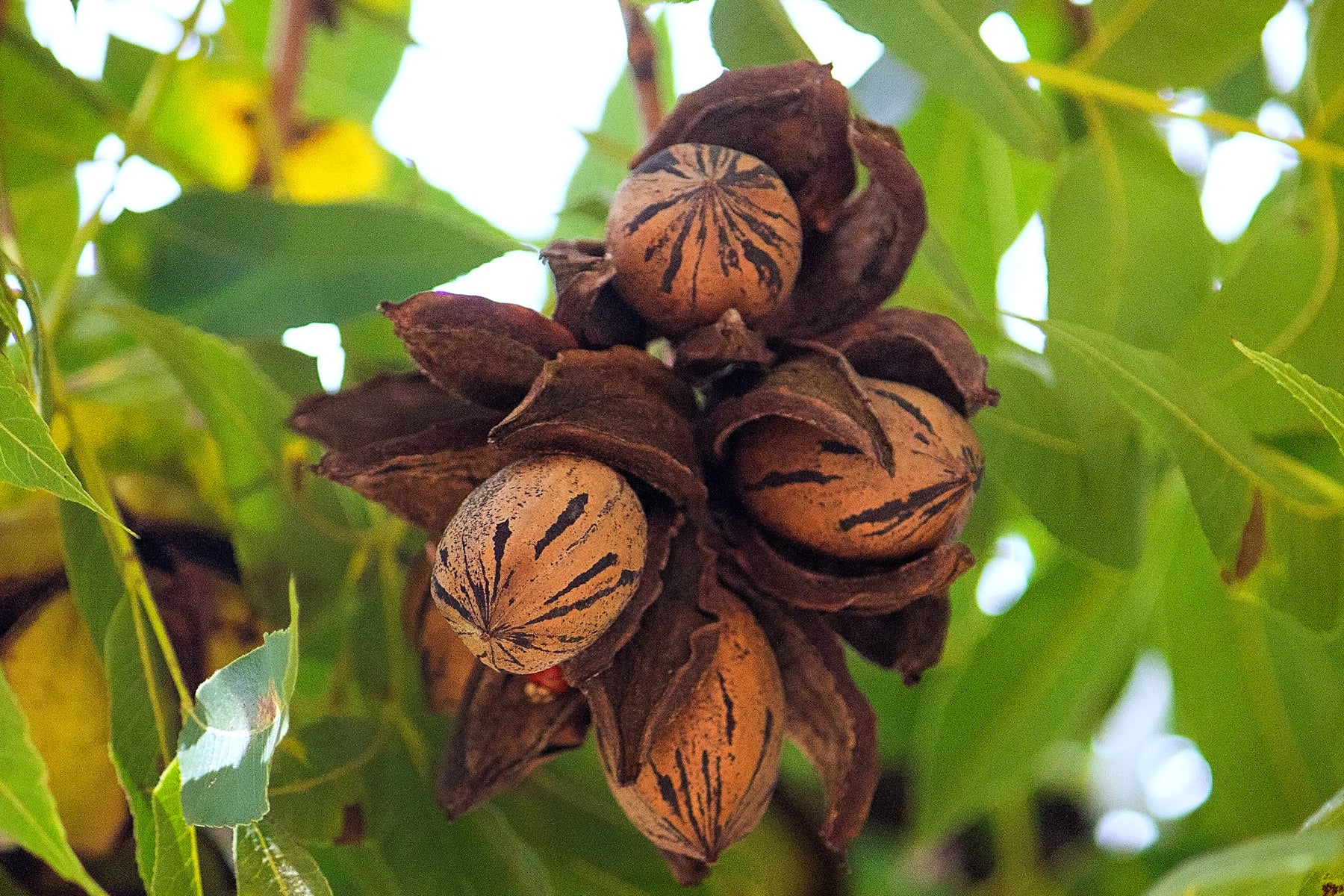
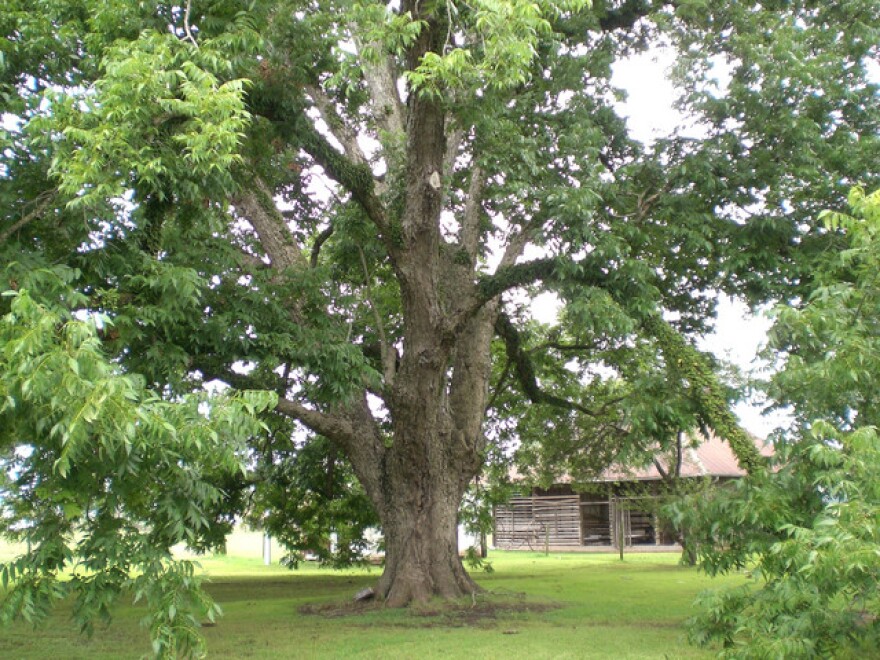
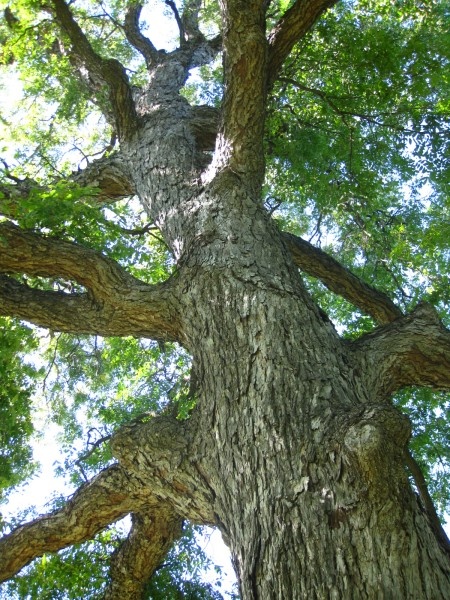
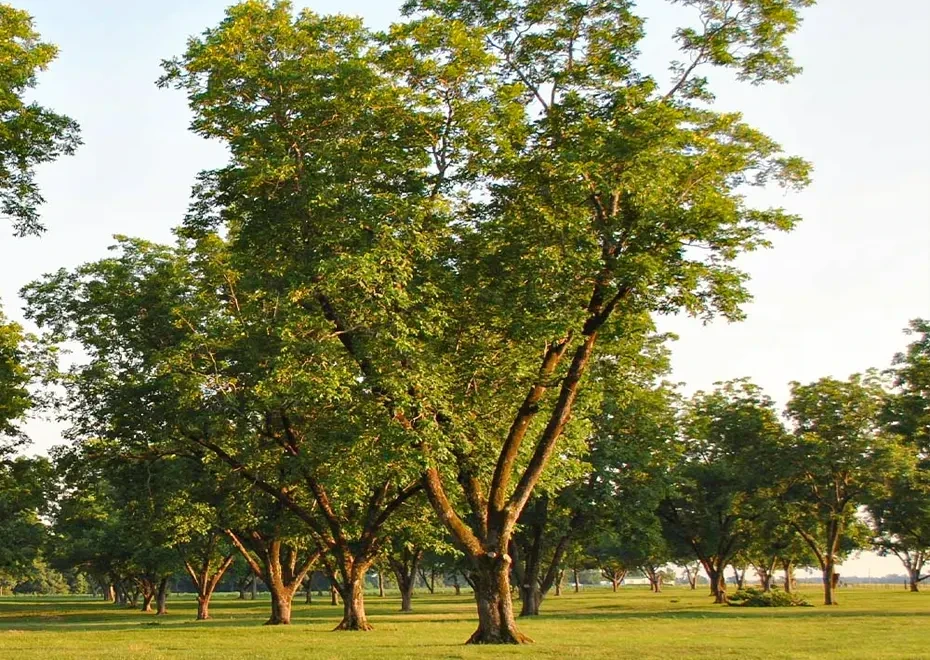
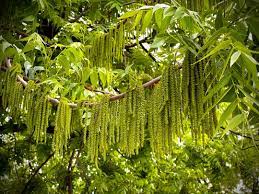
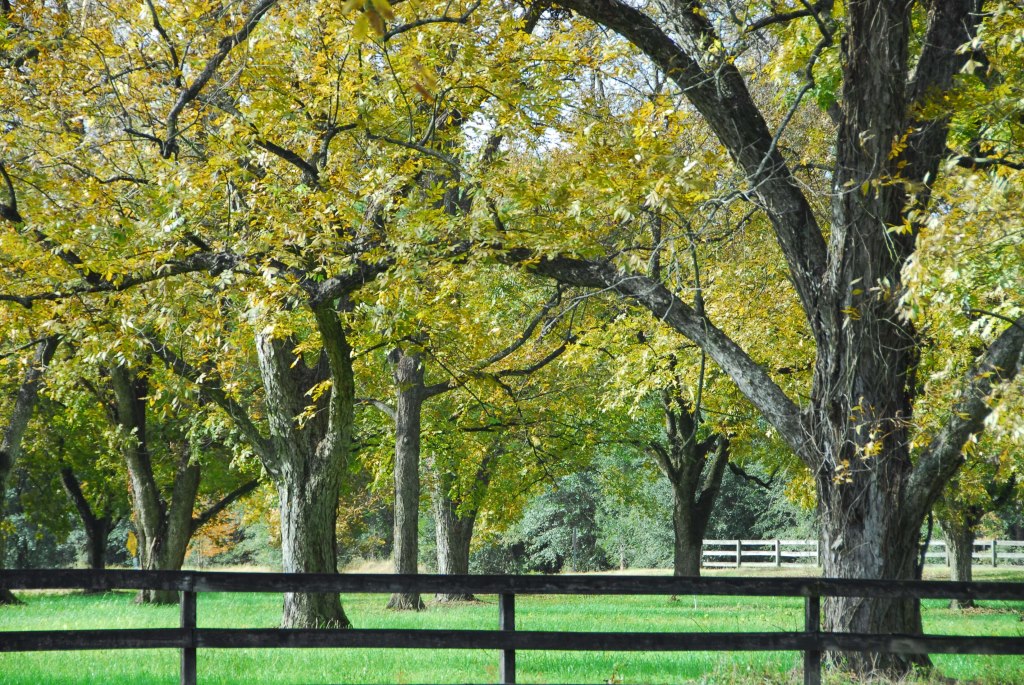
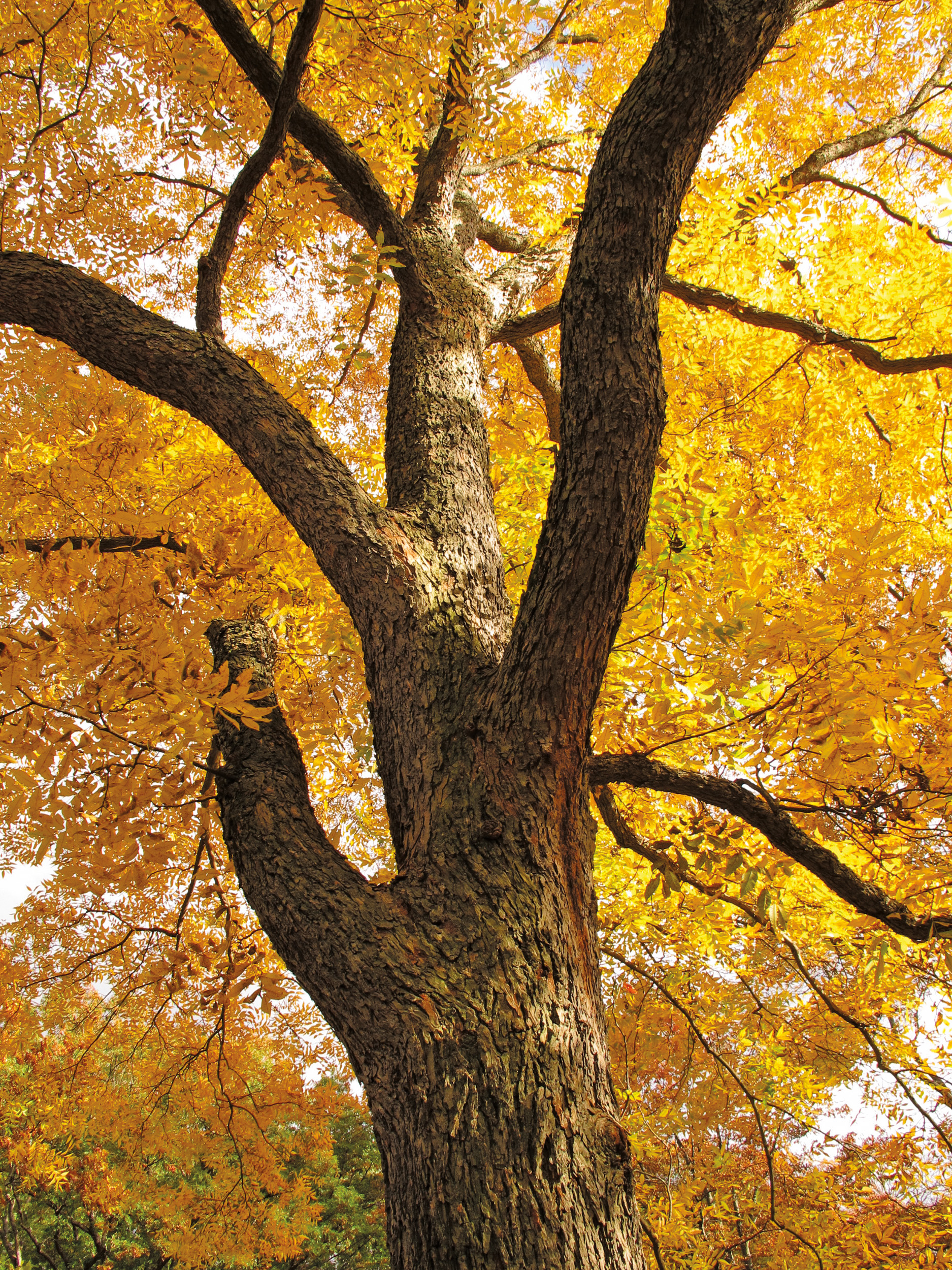
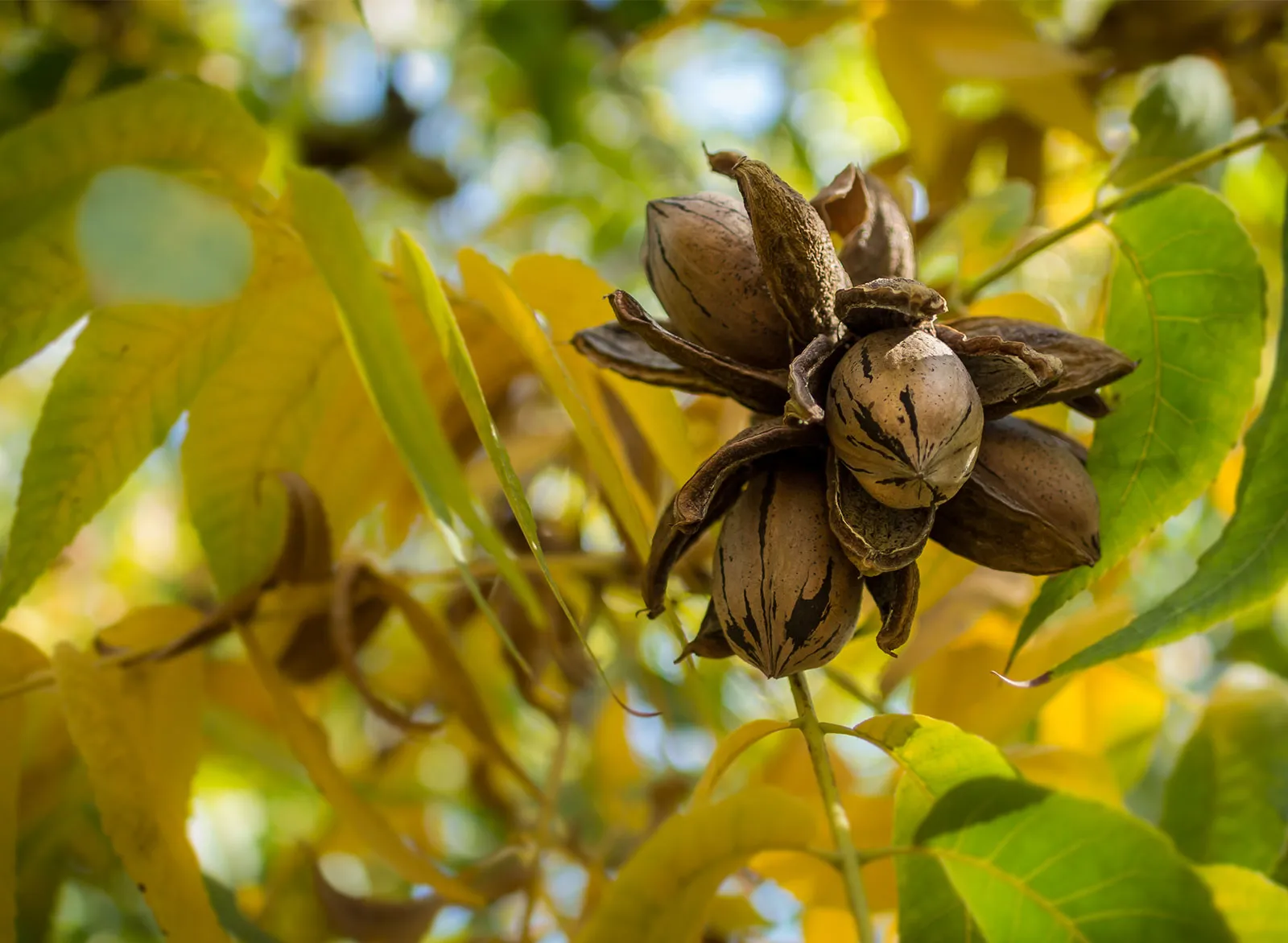
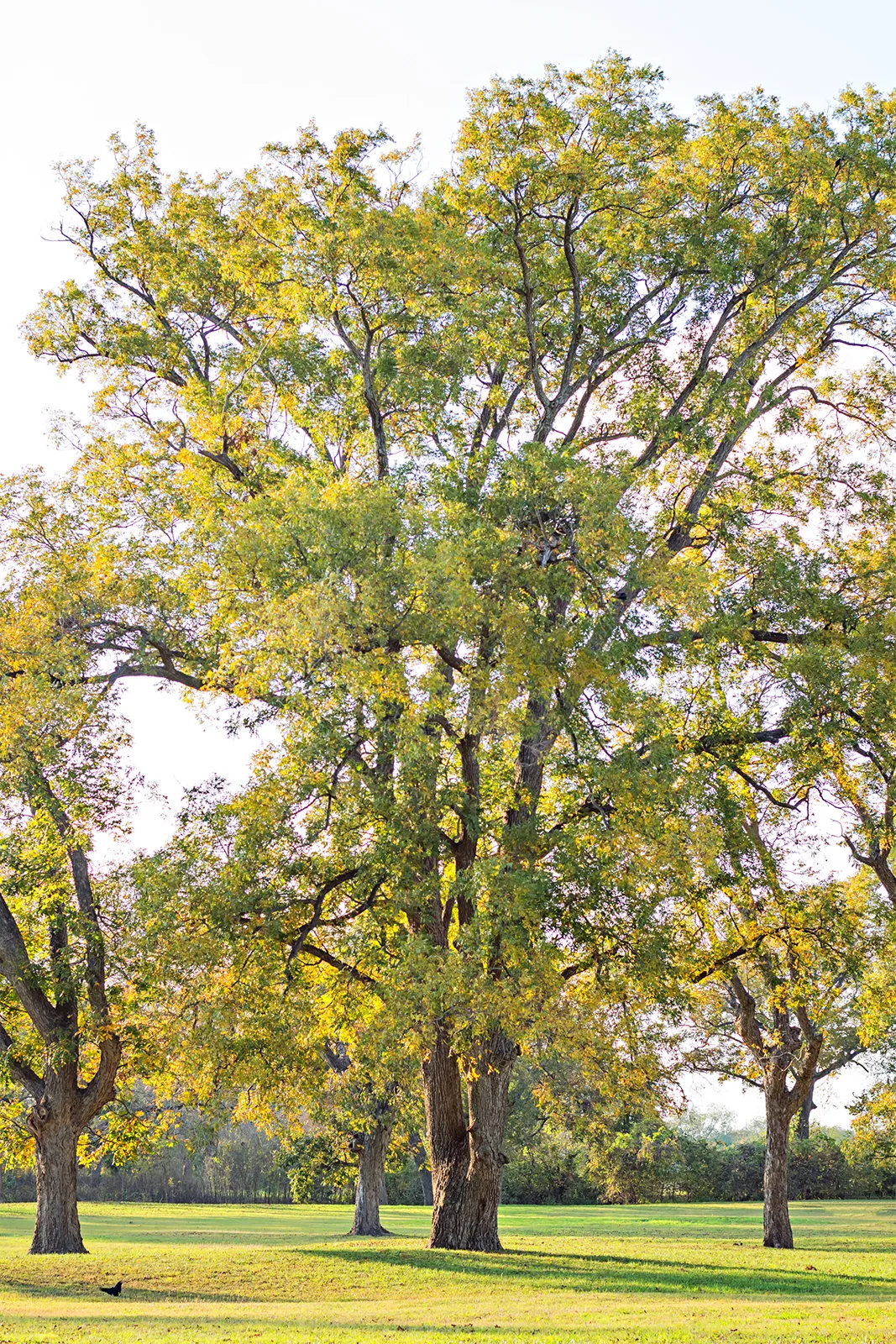
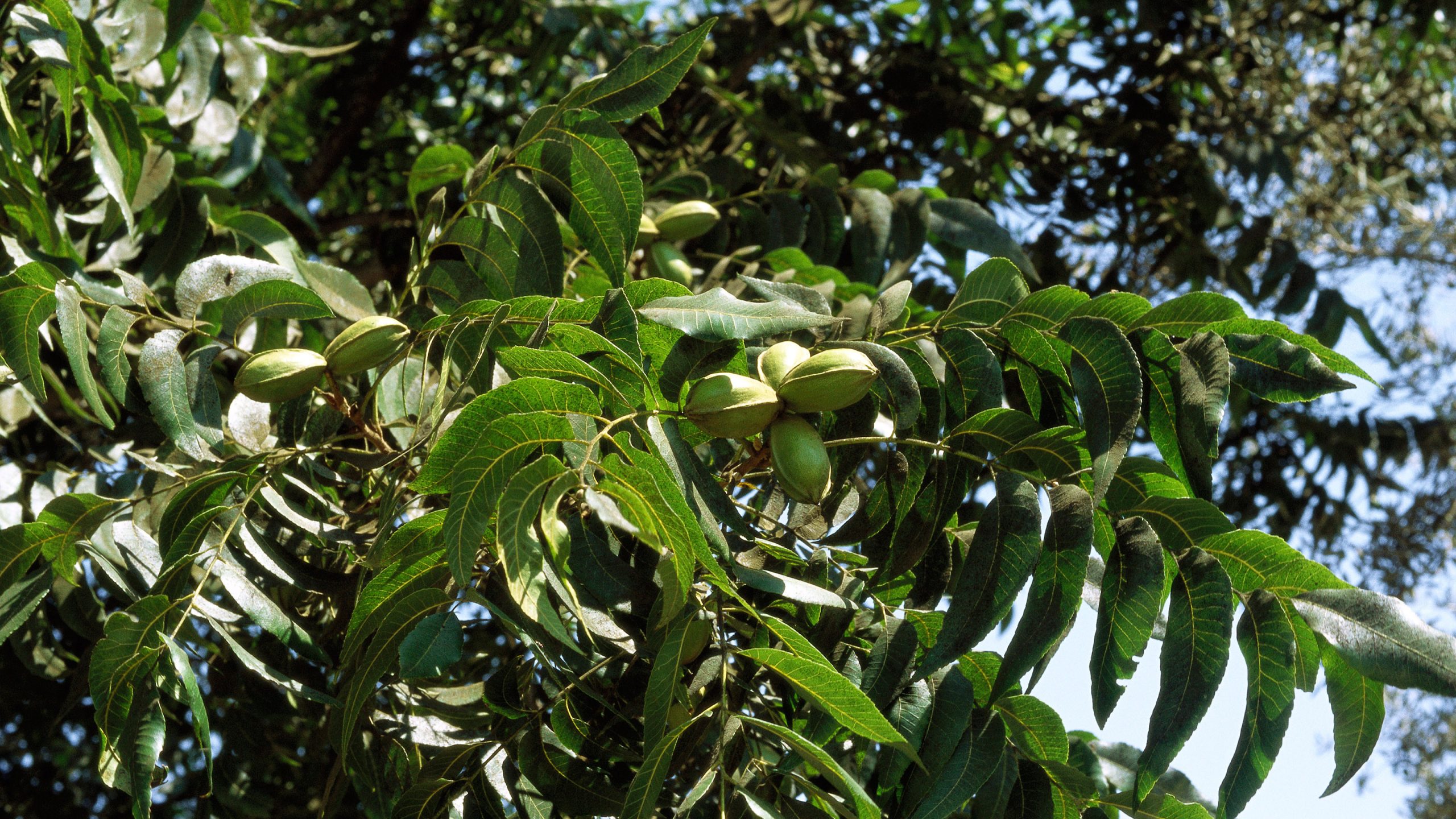
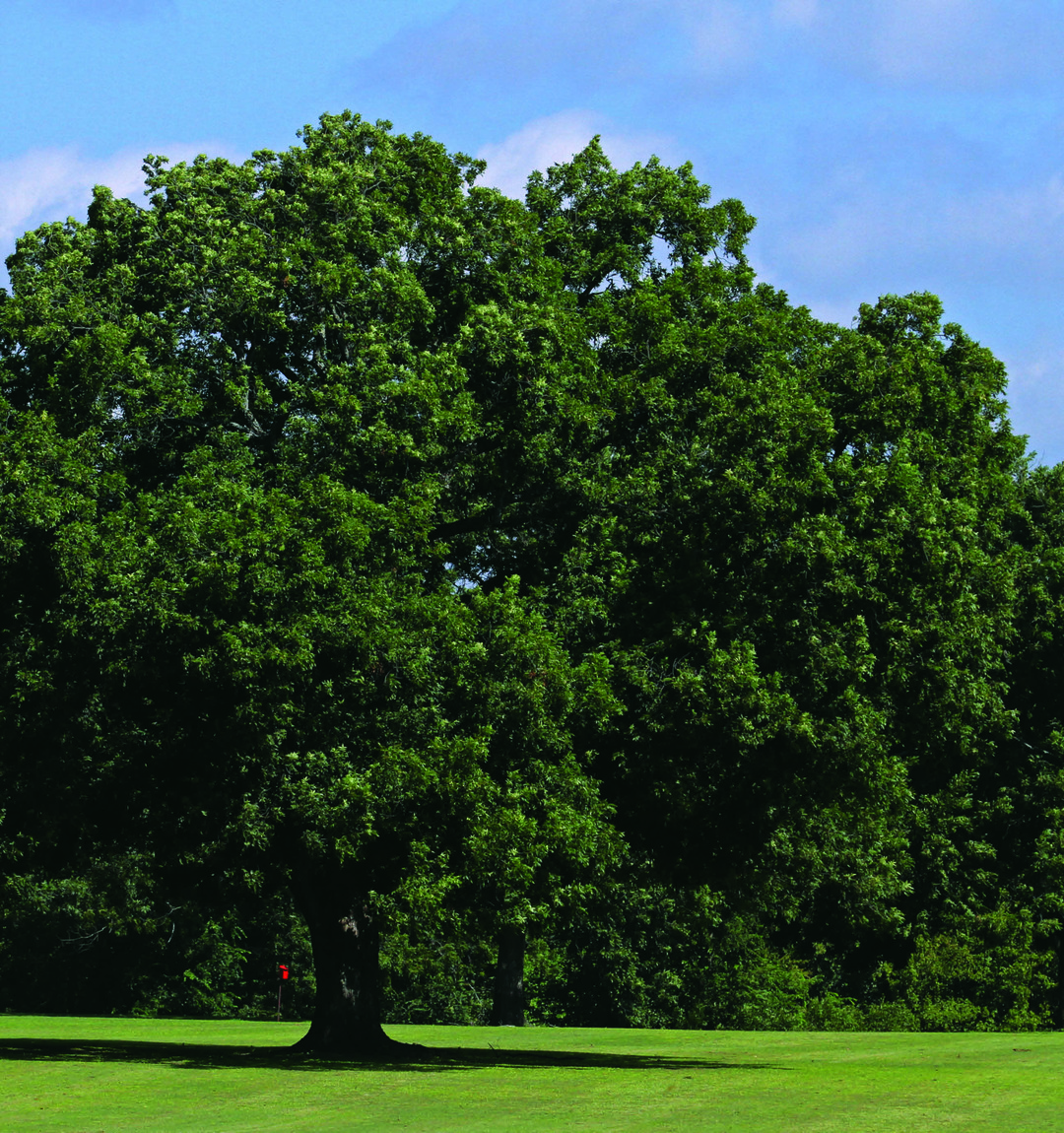
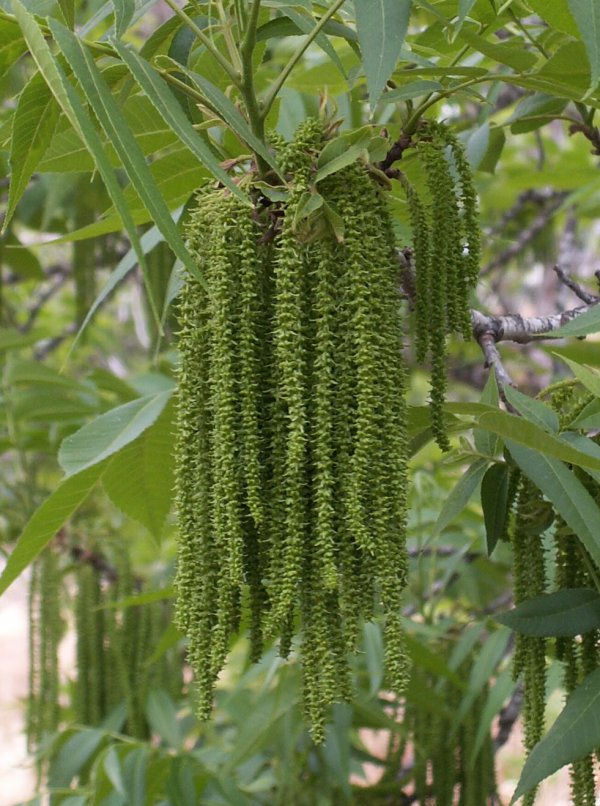
The common pecan, or Carya Illinoinensis, belongs to the genus Hickory and the Walnut (Juglandaceae) family. Under favorable conditions live up to four hundred years. With a wide and beautiful crown, the height of the pecan tree reaches sixty meters. The trunk of the tree is straight, covered with slightly cracked light brown bark. In old trees, the trunk can reach up to three meters in diameter. Pecan leaves are 30 – 50 cm in size with 11-17 leaflets. The fruits are edible. They have an elongated shape up to five centimeters long. Pecans have a sweet taste and rich nutritional content. Fruit ripening occurs in September and October.
Pecan is one of the most undemanding plants. The so-called northern ultra-northern varieties reliably withstand fairly low temperatures down to -36 degrees, as well as drought and infertile soil.
Pecan trees have many useful and valuable properties. The wood, due to its high quality and visual characteristics, is used in furniture making. Fruits are used in the food industry, medicine, and cosmetology. Pecans are very nutritious, so they are used as food in cases of appetite loss, loss of strength, and fatigue. Just a few kernels are enough to replenish the body with nutrients as they contain many useful elements – (potassium, phosphorus, iron, zinc, magnesium, calcium, and a whole group of vitamins). That is why pecans are also used in medicine. Nowadays, science emphasizes the beneficial effects of pecans in the treatment of cancer.
Nut oil is used for colds, and headaches and to strengthen the immune system. It is also used in the form of lotions and compresses in the treatment of sunburn, irritation, and insect bites. In addition, the oil perfectly nourishes the skin.
But, despite such a large number of useful properties, the tree is not very common in our region. This is mainly due to the lack of knowledge about the growth of pecans.
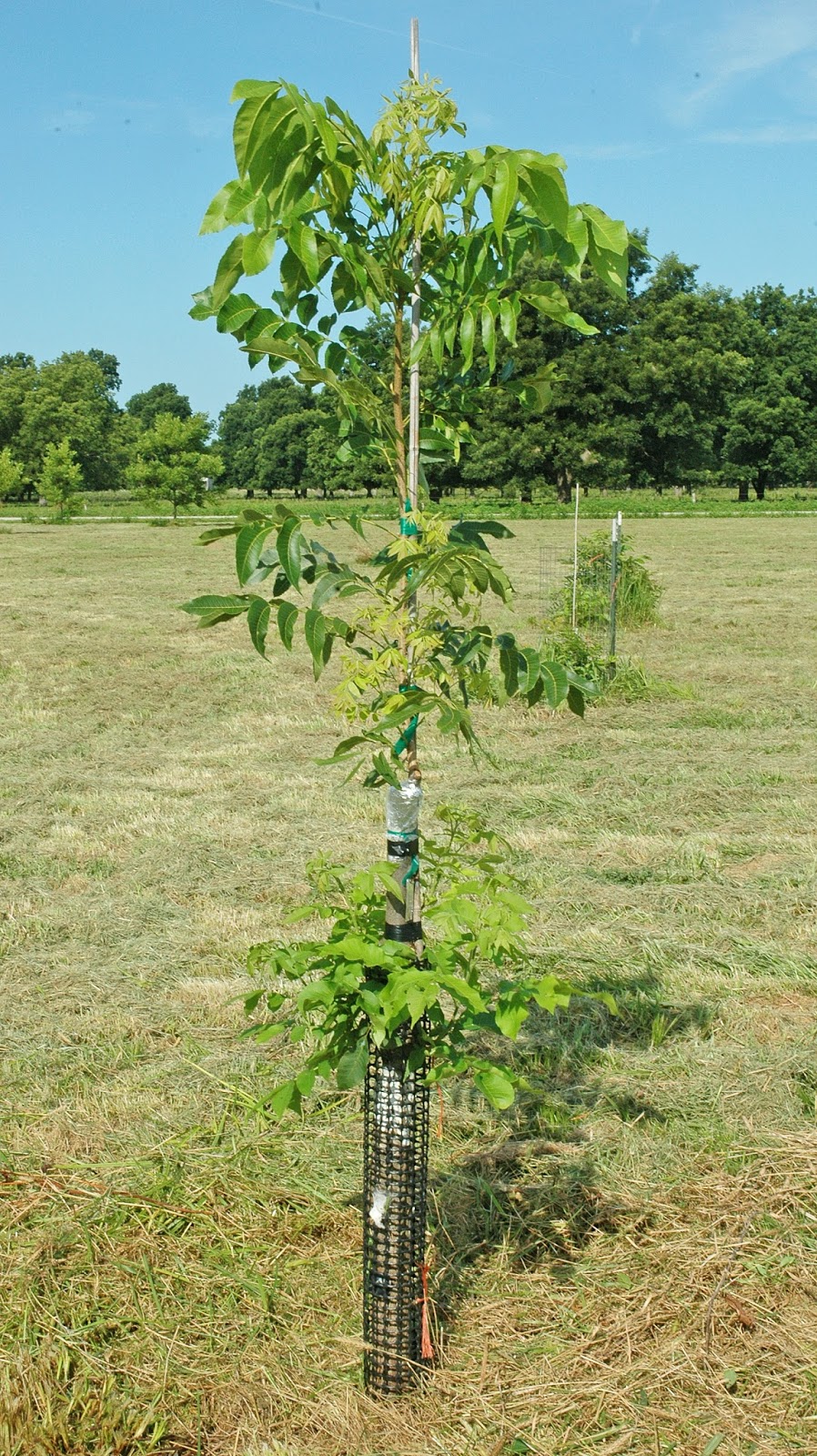
The pecan loves fertile, loose, well-drained soils. The most important condition for its cultivation is choosing the right planting site. These trees are characterized by large height (50-60 meters) and a wide crown. Therefore, when planting pecan trees, it must be taken into account. For the seedlings to grow and develop well, they must be planted in a well-lit place, and the soil must be fed with compost before planting. For the first three years, the pecan grows quite slowly. At the initial stage, seedlings intensely work on the formation of the root system, and only then the growth of the aboveground part of the seedling accelerates. Trees are planted in planting pits, the size of which should be at least sixty centimeters in depth and width. The soil around the seedling is recommended to be regularly mulched and fed with compost and also protected from strong frosts and winds during the winter for the first three years.
The pecan seedlings grown in our nursery are a form of the so-called ultra-northern pecan variety. Historically, pecan is a valuable southern nut with excellent taste. The fruits of our pecan trees are identical in taste and have thin shells. Compared to southern varieties, they have 2 times smaller nut size, but frost resistance is much higher, up to -36 degrees, which allows it to be grown much further to the north than it historically grows. In the growing conditions of our country, plants do not have pests and are not susceptible to diseases.
Genetics of our seedlings
All our nut tree seedlings are grown from the best seeds of mother trees from Canadian varieties that give seedlings a better chance to adapt to the Latvian climate, soil, and light regime and make them stronger and more durable compared to seedlings that are propagated vegetatively. But it does not allow the classification of them as one hundred percent seedlings of varieties, as for the harvest of nuts there is a need for cross-pollination with other nut trees.
Mother tree varieties


All of our seedlings have mother tree varieties with excellent taste, large core size, thin shell, increased frost resistance, and rich yield. Genetically they may differ in sizes, shapes, ripening terms, and regularity of yield.